
 Posted by
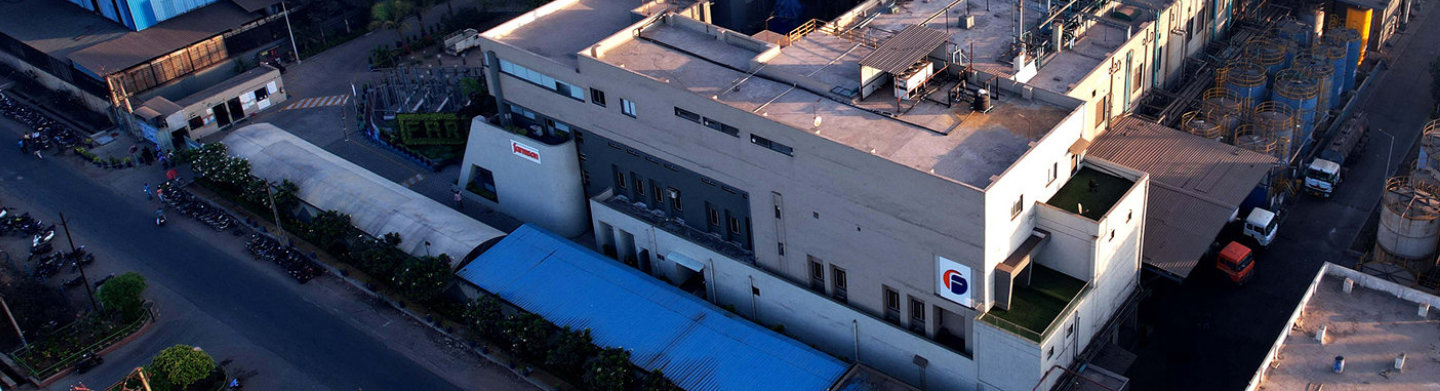
 Farmson Basic Drugs places sustainability at the core of its operations, integrating environmental and social responsibility into pharmaceutical manufacturing. The company has adopted eco-friendly production processes that significantly reduce pollution and resource use. For example, Farmson’s paracetamol manufacturing is solvent-free, eliminating volatile organic compound (VOC) emissions and protecting both workers and the atmospheref. By implementing water-based processes and cutting out harmful solvents, Farmson minimizes its ecological footprint while maintaining high product quality.
Renewable energy and resource conservation are key pillars of Farmson’s sustainability strategy. The company has installed solar panels that supply ~11% of its power needs, curbing greenhouse gas emissions. It also uses cogeneration via steam turbine technology to self-generate about 25% of its electricity, improving energy efficiency and reducing reliance on external power. To conserve water, Farmson operates a Multiple Effect Evaporator (MEE) system to treat and recycle wastewater, significantly reducing fresh water usage. Additionally, Farmson’s installation of a Glacial Acetic Acid recovery plant cuts transport emissions by concentrating and reusing acetic acid, eliminating about 218,000 liters of daily transport and its associated carbon footprint.
These initiatives demonstrate Farmson’s environmental stewardship. The company also engages in social responsibility efforts that complement its green practices. By sourcing key raw materials locally (such as backward integrating para-aminophenol, the precursor for paracetamol), Farmson reduces supply chain emissions and supports local industry. Community development programs, education and healthcare support, and ethical labor practices are integral to Farmson’s sustainability ethos. Importantly, Farmson aligns its growth with economic viability – its sustainable practices have the added benefit of enhancing efficiency and reducing costs, helping future-proof the business in a competitive market.
Farmson’s comprehensive approach – from renewable energy adoption to green manufacturing innovations – has made it a role model for sustainable pharma production. The company’s efforts set an example for the industry by showing that environmental responsibility can go hand-in-hand with operational excellence. In summary, Farmson’s commitment to sustainability is unwavering: by reducing pollution, conserving resources, and uplifting communities, Farmson is building a greener and more equitable future through pharmaceutical manufacturing.